
Skip to content
CH Centre Thrissur
All About Cancer

Cancer awareness and information

Colorectal Cancer

Screening can help detect changes early and prevent some cancers.

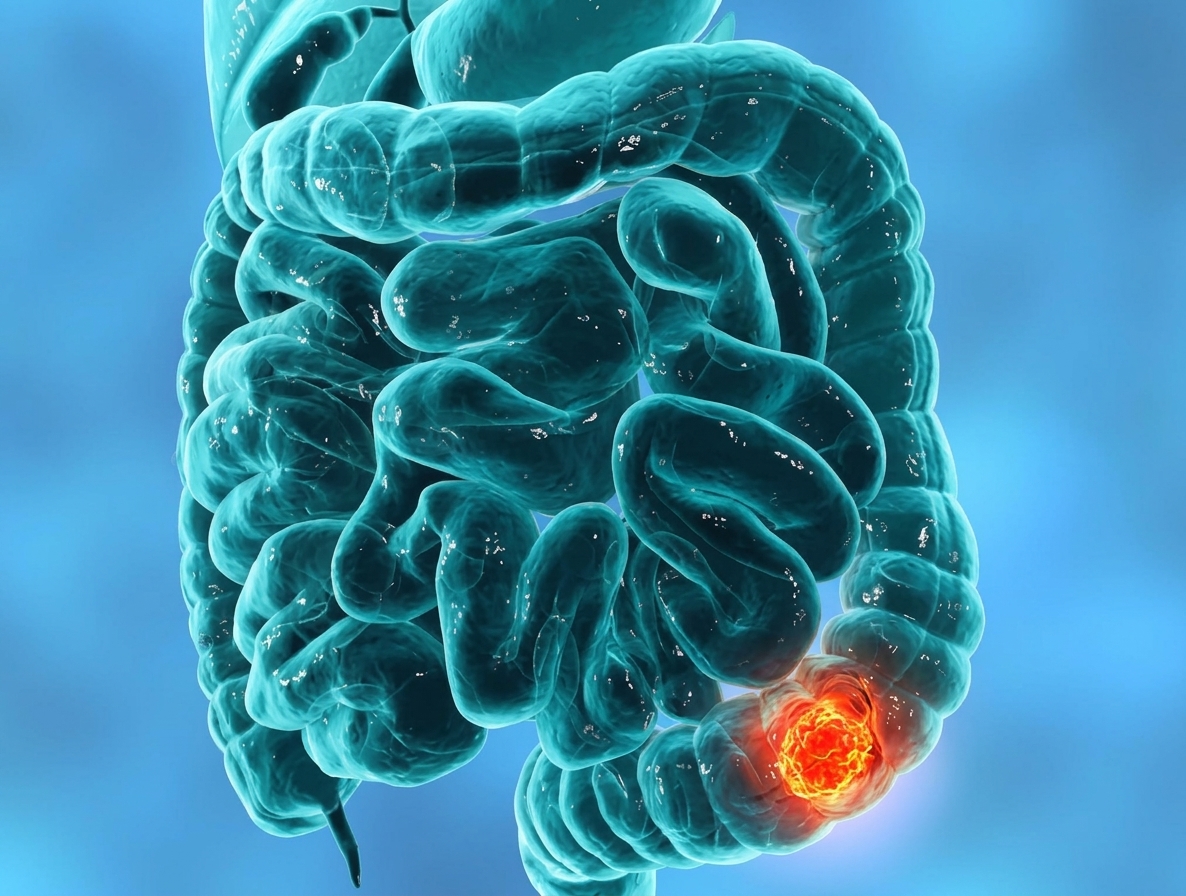
Colorectal cancer begins in the colon or rectum, which are parts of the large intestine. Many cases develop from growths called polyps, some of which can become cancerous over time.

Colorectal Cancer awareness

Understanding the disease

What is colorectal cancer?

Colorectal cancer may develop without noticeable symptoms in its early stages. Screening can identify certain precancerous polyps and detect cancer earlier.

Important to know

Blood in the stool or a persistent change in bowel habits should be discussed with a healthcare professional. Do not assume it is harmless.

Knowledge and awareness

What you should know

Understanding symptoms, risk factors and available care can help people make informed decisions with their healthcare team.

01

Symptoms & Warning Signs

Changes that may need medical attention. Symptoms can also be caused by conditions other than cancer.

  • A persistent change in bowel habits
  • Blood in the stool or rectal bleeding
  • Ongoing abdominal discomfort or cramps
  • A feeling that the bowel does not empty completely
  • Unexplained weight loss
  • Persistent tiredness or weakness, sometimes due to anaemia
02

Risk Factors

Factors that may increase the chance of developing this cancer. Having a risk factor does not mean someone will develop cancer.

  • Increasing age
  • A personal or family history of colorectal cancer or polyps
  • Inherited conditions that increase cancer risk
  • Inflammatory bowel diseases
  • A diet high in processed meat
  • Smoking, alcohol use and physical inactivity
03

Prevention & Healthy Living

Practical steps that may help reduce risk and support overall health.

  • Eat a balanced diet rich in vegetables, fruits and whole grains
  • Stay physically active
  • Maintain a healthy body weight
  • Avoid tobacco
  • Limit alcohol
  • Discuss appropriate screening with a healthcare professional
04

Screening & Early Detection

Tests and examinations that may help detect cancer or precancerous changes.

  • Stool-based tests may identify signs that need further investigation.
  • Colonoscopy allows a doctor to examine the colon and remove certain polyps.
  • Other screening methods may be suitable depending on individual circumstances.
  • The recommended starting age and screening interval can vary by country, risk and medical history.
05

Treatment Options

Treatment depends on the cancer type, stage and the person's overall health.

  • Surgery
  • Chemotherapy
  • Radiation therapy, particularly for some rectal cancers
  • Targeted therapy
  • Immunotherapy in selected cases
  • Combined treatment approaches

Compassionate support

No one should have to face cancer alone.

CH Centre Thrissur works to support people and families affected by cancer through care, accommodation and community support.

Medical information disclaimer

This page is intended for general awareness and educational purposes only. It is not a substitute for professional medical advice, diagnosis or treatment. Symptoms, screening recommendations and treatment options vary between individuals. Always consult a qualified healthcare professional for personal medical guidance.