
Breast Cancer
One of the most commonly diagnosed cancers in women. Awareness and appropriate screening can support earlier detection.
Learn moreAccess comprehensive information about cancer types, prevention, treatment options, and resources to help you understand cancer and make informed decisions.

Select a cancer type to learn more about symptoms, treatment options, and support resources.
Learn about different types of cancer, their risk factors, symptoms and available screening and treatment approaches.
One of the most commonly diagnosed cancers in women. Awareness and appropriate screening can support earlier detection.
Learn more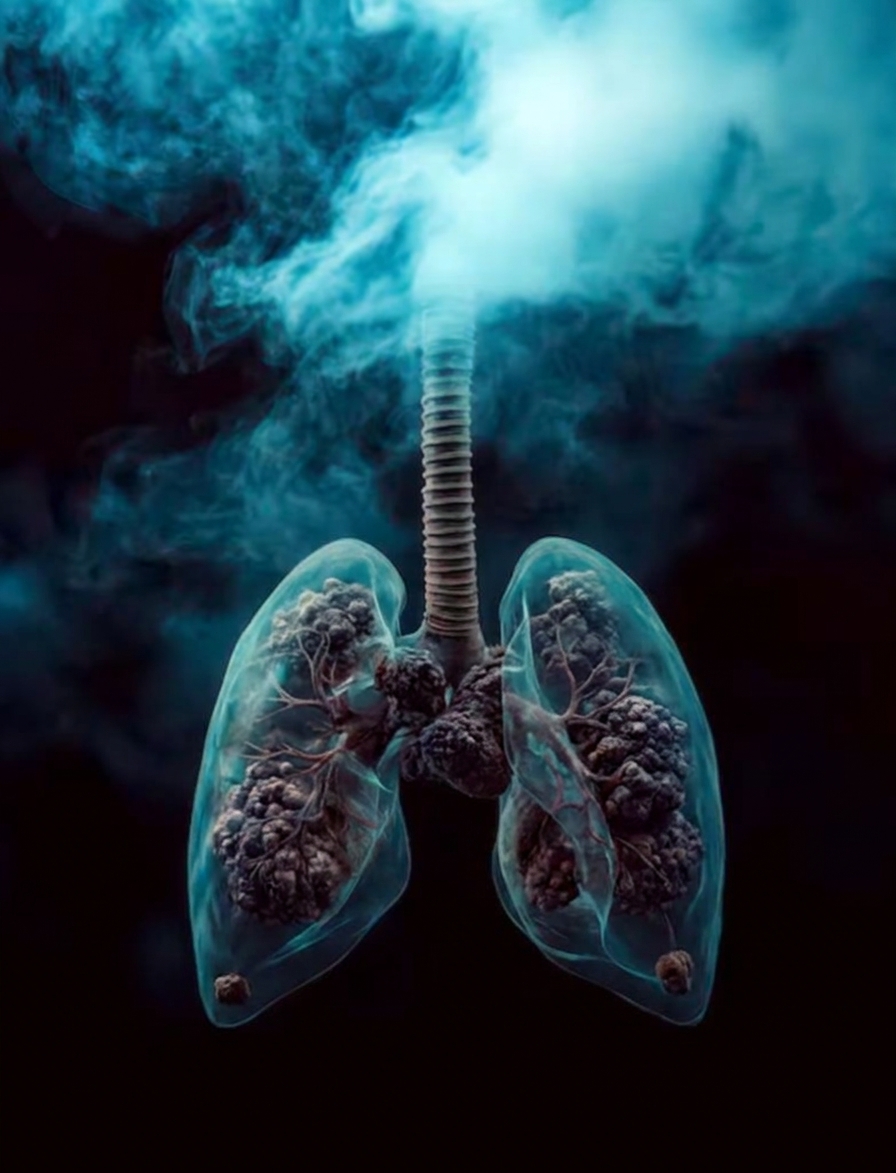
Smoking is a major risk factor. Avoiding tobacco and seeking medical advice about persistent symptoms are important.
Learn more
A common cancer in men. Discussing individual risk and screening options with a healthcare professional is important.
Learn more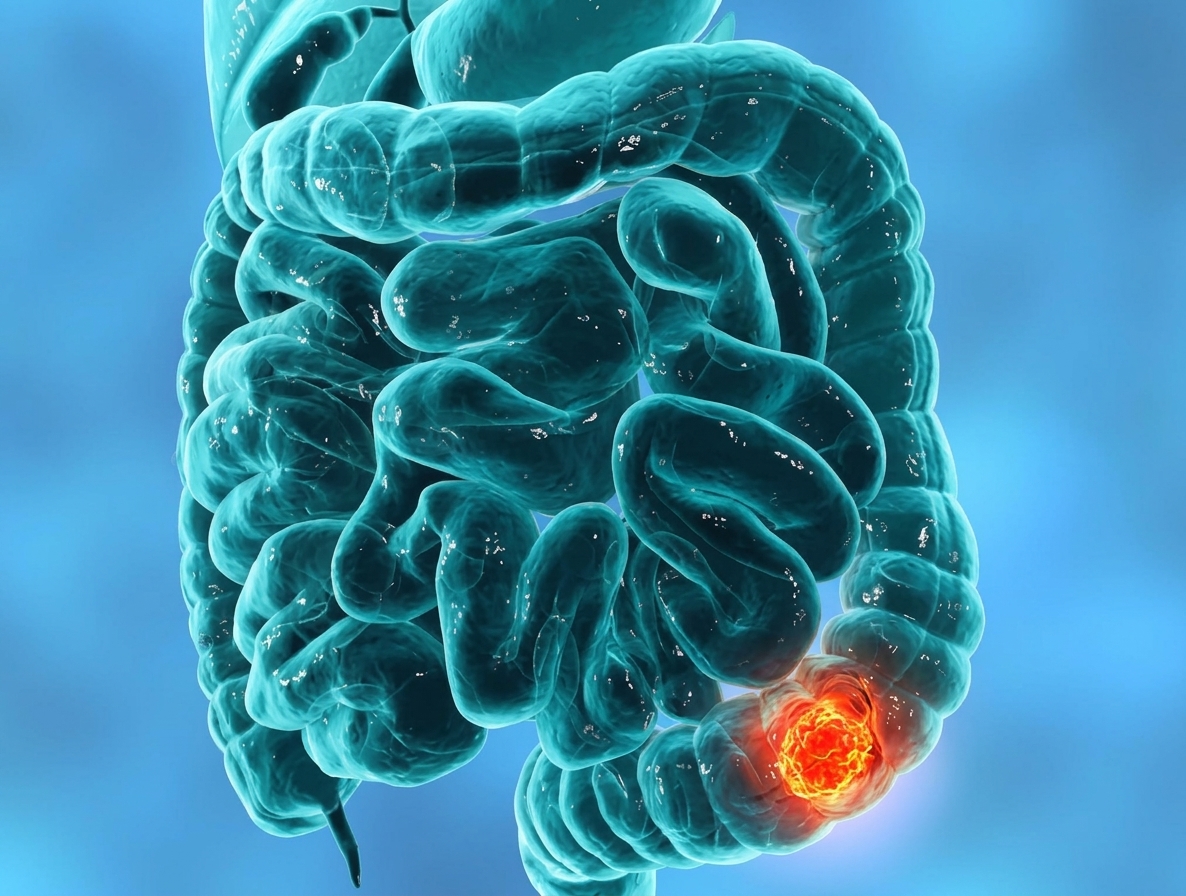
Screening can help detect colorectal cancer early and, in some cases, identify changes before cancer develops.
Learn more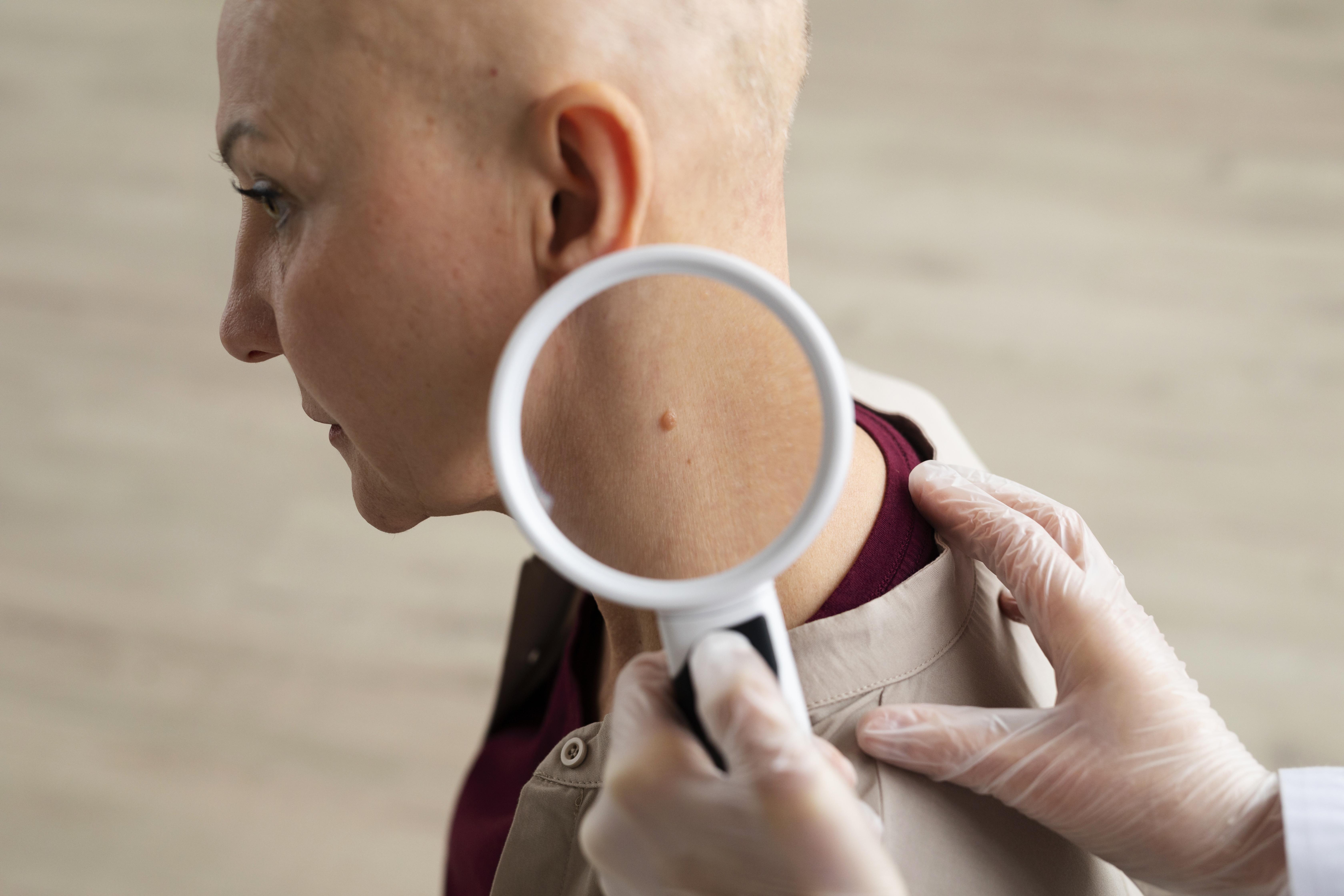
Protecting skin from excessive ultraviolet exposure and checking unusual skin changes can help reduce risk and support early detection.
Learn moreComprehensive resources to help you understand cancer, its causes, and how to prevent and treat it.
Cancer starts when cells begin to grow out of control. Learn how and why this happens to better understand the disease.
Read moreExplore factors that can increase cancer risk and learn about practical prevention strategies.
Read moreLearn about screening tests and how appropriate early detection can help identify certain cancers.
Read moreUnderstand common cancer treatments, including surgery, chemotherapy, radiation therapy and other approaches.
Read moreDiscover lifestyle choices and preventive measures that may help reduce your risk of developing cancer.
Read moreCancer is a group of diseases in which abnormal cells grow uncontrollably and may invade nearby tissues or spread to other parts of the body. There are many different types of cancer, and each can behave differently.
Cancer risk can be influenced by factors such as tobacco use, certain infections, alcohol consumption, ultraviolet radiation, environmental exposures, age, family history and inherited genetic changes. Having a risk factor does not mean someone will develop cancer.
Screening tests can help detect certain cancers before symptoms appear. The appropriate tests and timing depend on factors such as age, sex, personal health and family history. Discuss screening with a qualified healthcare professional.
Cancer treatment may include surgery, chemotherapy, radiation therapy, immunotherapy, targeted therapy, hormone therapy or combinations of these approaches. Treatment decisions depend on the cancer type, stage and individual circumstances.
Avoiding tobacco, maintaining a healthy lifestyle, staying physically active, protecting your skin from excessive sun exposure, and following appropriate vaccination and screening guidance may help reduce the risk of some cancers. Prevention cannot eliminate every cancer risk.
Find answers to common questions about cancer.
Possible warning signs include unexplained weight loss, unusual lumps, persistent fatigue, changes in bowel or bladder habits, and wounds that do not heal. These symptoms can also have causes other than cancer. Some cancers have no noticeable early symptoms, so seek medical advice about persistent or unusual changes and appropriate screening.
You can help reduce your risk by avoiding tobacco, maintaining a healthy weight, eating a balanced diet, being physically active, protecting your skin from excessive sun exposure, and following recommended vaccinations and screening guidance. Not all cancers can be prevented.
Commonly diagnosed cancers include breast, lung, prostate, colorectal and skin cancers. The most common types vary by country, sex and age. Cancer can develop in almost any organ or tissue in the body.
Take time to understand your diagnosis and discuss your treatment options with a qualified cancer specialist. You may consider seeking a second medical opinion, bringing a family member to appointments, and asking about emotional, practical and financial support. CH Centre is committed to supporting patients and families who need assistance.
The information on this page is provided for general awareness and educational purposes only. It is not a substitute for professional medical advice, diagnosis or treatment. Always consult a qualified healthcare professional about medical concerns or treatment decisions.
If you or someone in your family is facing cancer, CH Centre is committed to offering compassionate support and guidance.